 blog
Is Renting Equipment Cheaper for Short Projects?
Last Updated: November 17, 2026
Quick Summary
Renting equipment is usually cheaper for short projects, because you pay only for the days you work instead of owning, insuring, storing and maintaining a machine. Ownership makes sense only when a machine runs most days of the year, so a project lasting a few weeks favors renting.
- Short-term construction equipment rentals often run 14 to 28 days, while smaller tools typically run 3 to 7 days.
- Compare rental quotes on the total cost, including delivery, fuel, and fees, not just the daily rate.
- Confirm in writing who insures the machine on your site and what the damage waiver excludes.
- Check whether a weekly rate is cheaper than daily rates for your exact dates before booking.
- Verify truck access, ground support, and delivery windows before the rental truck arrives.
Table of Contents
- Types of Equipment Available for Short-Term Rental
- Equipment Rental Checklist Before You Book
- Understanding Daily Equipment Rental Rates and Hidden Costs
- Mini Excavator Rental: Choosing the Right Machine for the Job
- How Equipment Rental Delivery and Pickup Work
- Booking Your Equipment for Your Next Short Project
- Frequently Asked Questions
Renting equipment is often cheaper for short projects, and the numbers back that up. The U.S. equipment rental market is expected to reach $68.52 billion in 2026 (Research and Markets, U.S. equipment rental market valuation), and short-term rentals are projected to be its fastest-growing segment, with a 7.13% compound annual growth rate from 2026 to 2031 (Mordor Intelligence, construction equipment rental market analysis). At Diamond E Rental, we see the same pattern in the Brazos Valley: contractors and homeowners want the machine for a job, not a machine they have to store, insure and maintain afterward.
Buying makes sense when a machine runs most days of the year. A short project does not justify that. A federal acquisition guideline notes that ownership can be more economical depending on how often a machine is used (Federal Acquisition Regulation Subpart 7.4), which means the break-even point depends on your usage. If a project lasts a few weeks, you pay for the machine only while you need it.
Renting also keeps your capital free. Buying ties up money in depreciating assets, while renting turns the equipment cost into an operating expense tied directly to the job. Our advice is simple: if you can count the days you need a machine on one hand, rent it.
Types of Equipment Available for Short-Term Rental
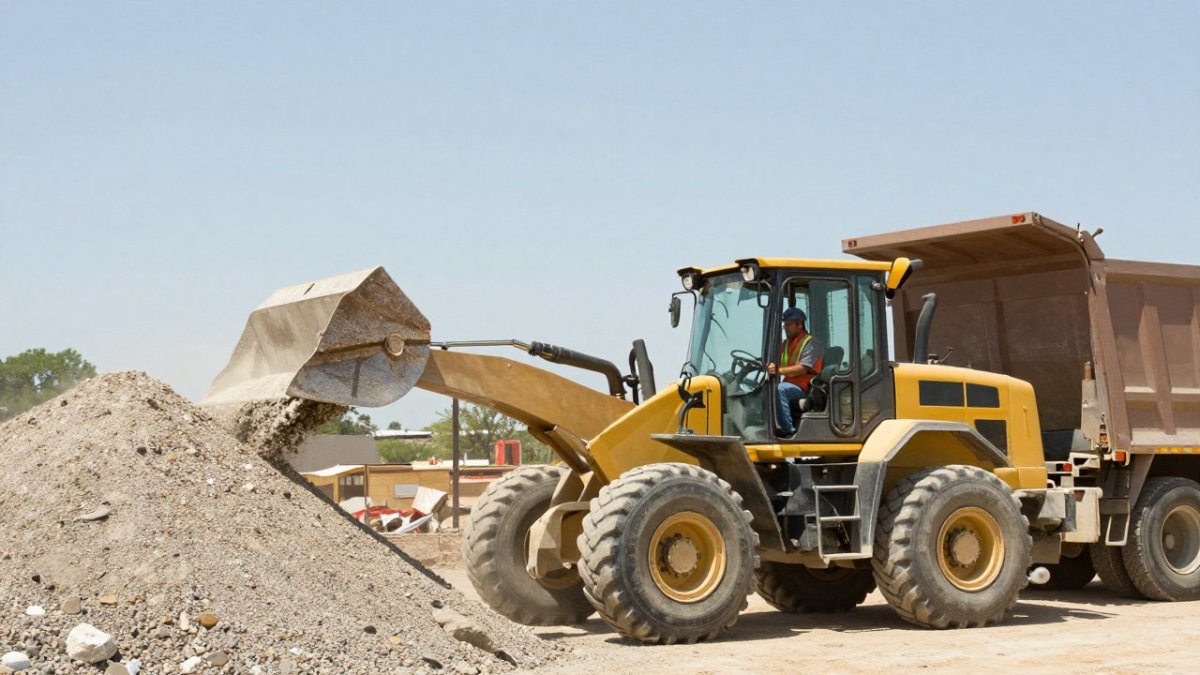
Mini excavators, bulldozers and skid steers are among the machines available for short-term rental. Each one solves a different jobsite problem, so start with the task rather than the machine.
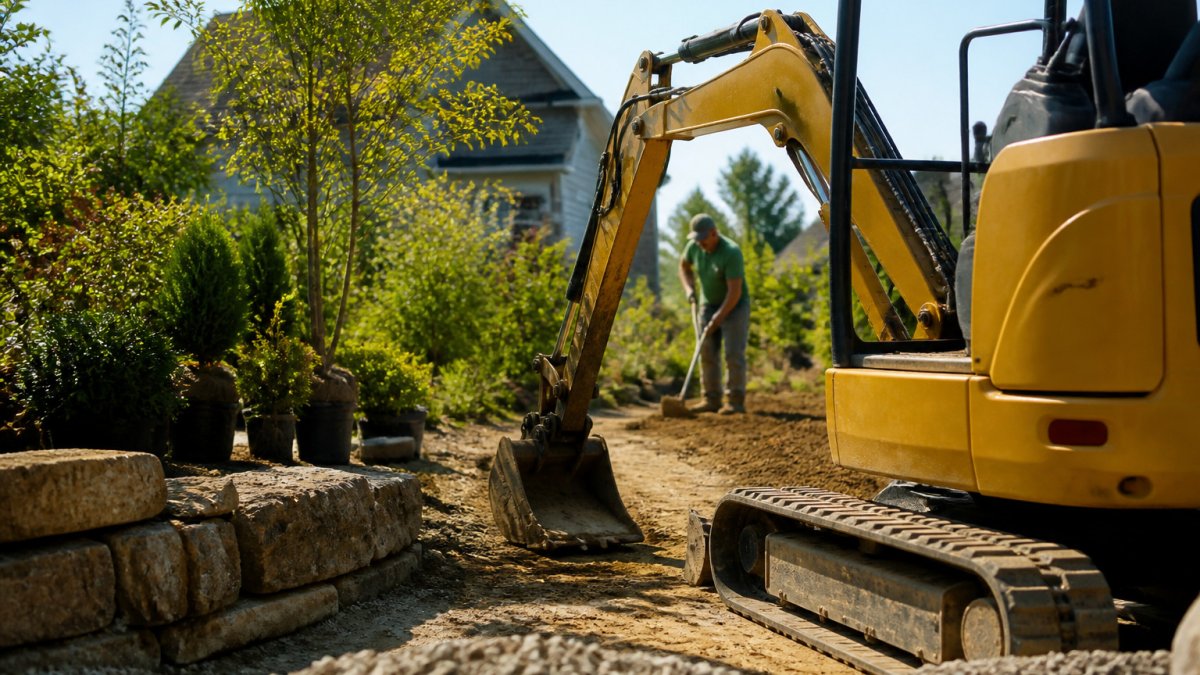
Skid steers handle loading, grading and moving material across a site. Mini excavators dig trenches and prepare foundations in tight spaces.
Industry data shows that construction equipment rentals often run 14 to 28 days, while smaller tools typically run 3 to 7 days (Targit, 2026 equipment rental metrics). Match the rental length to the task, and you will avoid paying for idle days.
| Equipment | Typical Job | Best For |
|---|---|---|
| Mini excavator | Trenching, digging, foundations | Tight residential sites |
| Skid steer | Grading, loading, material moving | General site work |
| Trencher | Utility and irrigation lines | Long, narrow trenches |
| Telehandler | Reaching over obstacles | Farm and building work |
Equipment Rental Checklist Before You Book
A short-term rental agreement is a contract, and the fine print decides whether a cheap rental stays cheap. Most contractors focus on the daily rate and skip the clauses that generate the largest surprise invoices. Use this checklist before you sign, and treat each item as a yes/no gate rather than a formality.
Insurance and liability. Confirm who insures the machine while it is on your site. Rental companies may carry insurance on the equipment itself, and coverage terms vary, so review the agreement carefully. Ask three questions in writing: Does the rental rate include a damage waiver, and what does the waiver exclude? Does my general liability policy cover rented equipment, or do I need a rider? Who is responsible if the machine is stolen from the site overnight? Verify your coverage before you book, not after an incident.
Rental agreement red flags. Read the fuel clause, the damage clause, and the return-time clause line by line. Ask how fuel is billed and whether a damage waiver is offered, and decide whether the waiver is worth it based on the machine's replacement value and your own deductible. Confirm whether the rental clock starts at pickup or at delivery, and whether a weekend counts as one day or three. Ask what the grace period is for a late return and whether the daily rate or a higher penalty rate applies after it.
Site access and logistics. A truck and trailer need a clear path at least as wide as the trailer plus overhead clearance for the machine's boom or mast. Confirm the ground will support the machine's operating weight, a loaded skid steer on soft turf can rut a lawn or sink into fresh fill. Ask who unloads the machine, whether the driver will place it at the work face or drop it at the curb, and what happens if the site is not accessible when the truck arrives. A failed delivery can trigger a dry-run fee. Because delivery access and unloading can shape the total cost as much as the rental period, the same logistics questions matter when arranging stage effects through Flashpoint Logistics.
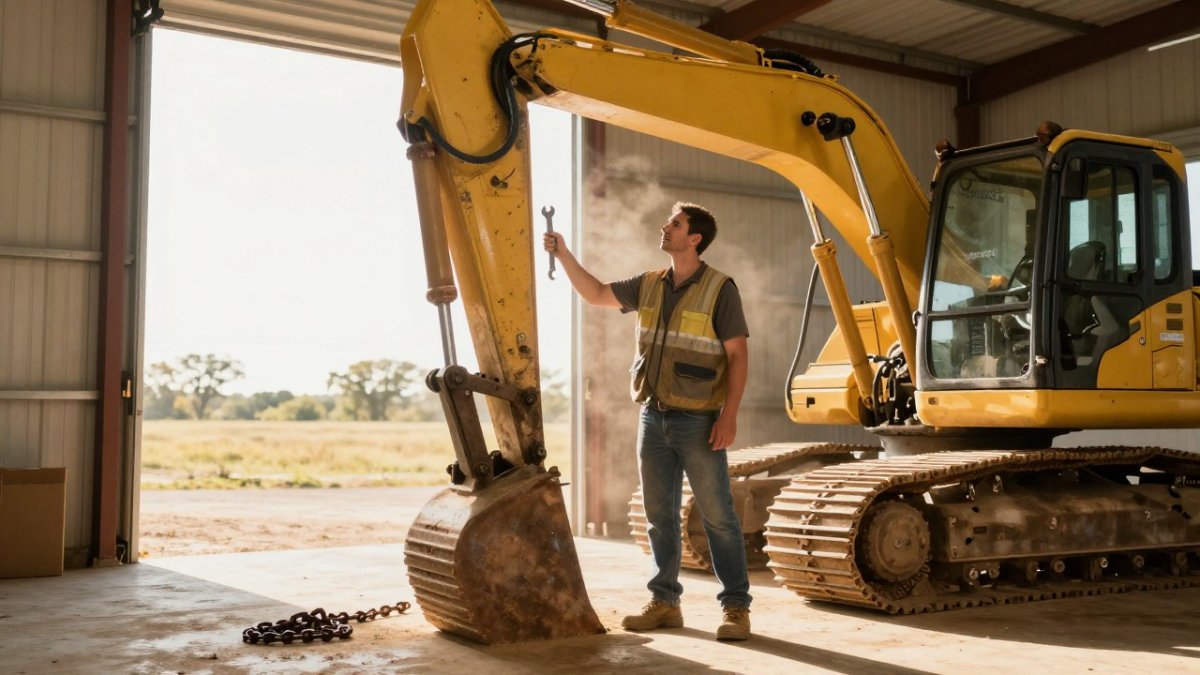
Operator and safety requirements. Confirm whether the rental company requires proof of operator training, and whether the machine is delivered with a full safety walkthrough. If you are renting for a crew, confirm who on your team is authorized to run the machine and whether the rental company provides the operator manual and any required safety decals.
The booking essentials. With those risk items settled, confirm the basics: the exact machine size and attachments the job requires, rental start and return dates with early-return terms, delivery and pickup windows, and a written quote that itemizes every charge. A checklist that covers insurance, agreement terms, site access, and operator requirements prevents the surprises that turn a cheap rental into an expensive one.
Understanding Daily Equipment Rental Rates and Hidden Costs
Daily rates are only part of the bill, and the gap between the advertised rate and the final invoice is where most short-project budgets go wrong. A rental quote typically has four layers: the base rate, the delivery and pickup charge, the consumables and fees, and the contingency charges that apply only if something goes wrong. Ask for a written quote that lists every layer separately, and compare quotes on the total, not the headline rate.
How the base rate is structured. Rental pricing can vary by day, week and month, so ask for a quote covering your exact dates. That means a four-day rental is often cheaper billed as a week, and a rental that stretches past a week may be cheaper billed as a month. Ask the counter to quote both the daily and weekly rate for your exact dates and take the lower total. The rental clock matters too: confirm whether it starts at pickup or delivery and whether weekends and holidays count against the term.
Delivery and pickup. Delivery is priced based on distance, so confirm the charges for your site. A site closer to the yard typically costs less to serve, but the bigger variable is access, a machine that cannot be placed at the work face may require a second trip or a smaller machine, both of which add cost. Confirm the delivery window and who is responsible if the site is not ready when the truck arrives.
Fuel and consumables. Fuel terms vary widely. Some agreements require the machine to be returned full, some charge a refueling fee, and some bill fuel by the gallon at a rate above pump price. Track the fuel level at delivery and at return, and photograph the gauge both times. The same applies to attachments, blades, and teeth, confirm what is included and what is billed as wear.
Damage waivers and contingency charges. A damage waiver is optional in many states and typically adds a percentage to the rental rate in exchange for limiting your liability for accidental damage. It usually does not cover theft, misuse, or damage from overloading. Decide based on the machine's replacement value and your own insurance deductible, and get the exclusion list in writing. Watch out: late returns can trigger a penalty rate higher than the daily rate, and a machine returned dirty enough to require cleaning may carry a cleaning fee.
Comparing rental cost against ownership. For a short project, the rental total is easy to see and the ownership cost is easy to underestimate. Ownership carries the purchase price, financing cost, insurance, storage, maintenance, and depreciation, and depreciation is heaviest in the first years of a machine's life. A federal acquisition guideline notes that ownership can be more economical depending on how often a machine is used (Federal Acquisition Regulation Subpart 7.4), which means the break-even point depends on utilization. A practical way to compare is to total the rental quote for your project dates and set it against the ownership costs you would incur over the same period, including the share of annual insurance, storage, and maintenance that the machine would consume while sitting idle between jobs. For most short projects, the rental total wins because you pay only for the days you work.
For a clear breakdown of how rental rates are structured, see our daily, weekly and monthly skid steer cost guide and our guide to avoiding hidden equipment rental fees.
Mini Excavator Rental: Choosing the Right Machine for the Job
A mini excavator suits most residential and light commercial digging. Choose the machine by reach, digging depth and the width of the access gate or driveway it must pass through.
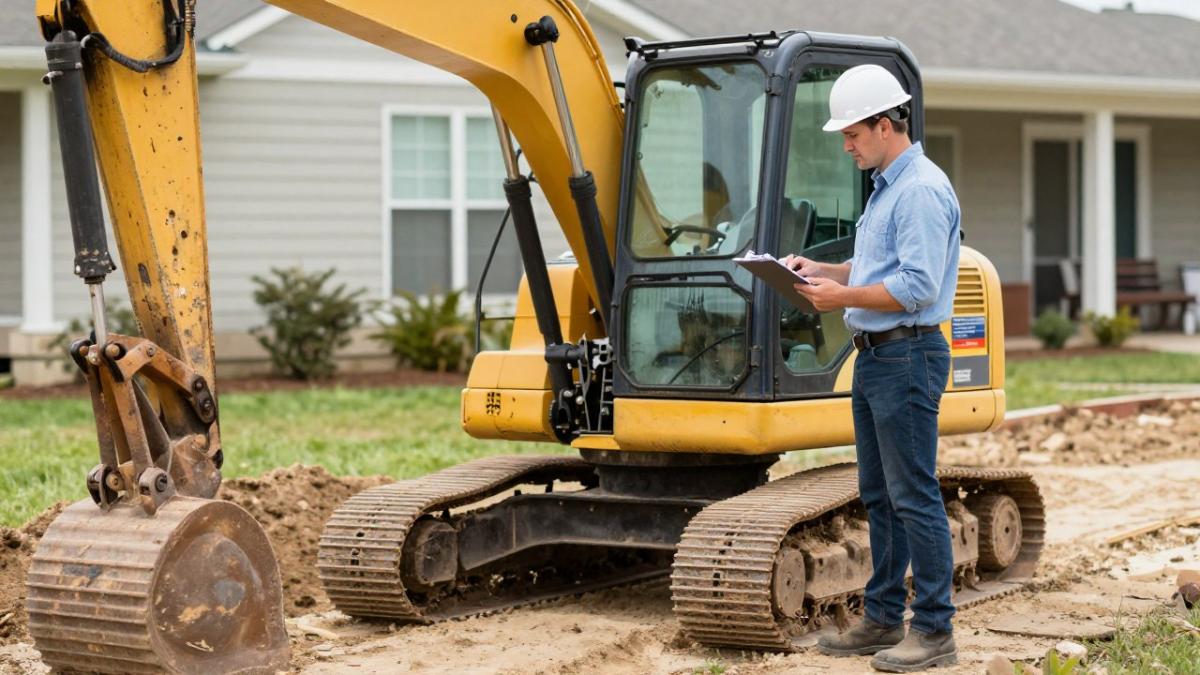
Size up only when the job demands it, since a larger machine is harder to maneuver on a small lot.
If you are new to renting one, our beginner's guide to mini excavator rental walks through the choice step by step.
How Equipment Rental Delivery and Pickup Work
Delivery is usually priced by distance from the rental location, so a site closer to the yard typically costs less to serve. Confirm the delivery window, who unloads the machine and when it must be returned.
Plan for site access. A truck and trailer need a clear path, and the ground must support the machine's weight.
For a comparison of delivery options, see our heavy machinery delivery service guide.
Booking Your Equipment for Your Next Short Project
Book early for peak seasons, and ask about availability for the exact dates you need. Order online to lock in your machine, then confirm delivery details by phone.
Renting is the smarter choice for most short projects, because you pay only for the days you work. Diamond E Rental serves the Brazos Valley with mini excavators, bulldozers and skid steers, and delivery is based on distance. Browse available equipment and reserve your machine to plan your next short project with confidence.
Frequently Asked Questions
What equipment can I rent for a short-term project?
Diamond E Rental offers mini excavators, bulldozers and skid steers for short-term use. Confirm availability and rental periods directly with Diamond E Rental before planning your schedule, since stock changes by season.
Can you rent heavy equipment for just one day?
Ask Diamond E Rental whether a single-day rental is available for your machine and dates, and check whether the quote includes delivery, fuel and pickup. Ask Diamond E Rental for a quote that lists every charge, including delivery based on distance, before you schedule the job.
Is it cheaper to rent equipment by the day or by the week?
Weekly rates often cost less per day than daily rates when you need a machine for three or more days, but the answer depends on your project length and the rental terms. Pricing depends on quantity, dates, and delivery, so request current rates from Diamond E Rental for the specific machine and dates you need. Compare the total cost, including delivery and pickup, rather than the daily figure alone.
What should I check before renting heavy equipment?
Before you sign a rental agreement, confirm the total cost including delivery, pickup, fuel and any damage waiver. Ask how late returns are billed and whether you can extend the rental without a sharp rate increase. Check the machine's operating requirements, your insurance coverage for rented equipment, and whether the site is accessible for a truck and trailer. Reviewing these items up front helps you avoid surprise charges on a short project.