 blog
How to Choose Reliable Heavy Equipment Rental Services
Last Updated: November 7, 2026
Quick Summary
Choose reliable heavy equipment rental services by checking four signals before you sign: fleet maintenance records, delivery punctuality, breakdown response time, and written pricing terms. Compare quotes on total cost at your actual duration, not the daily rate, and confirm delivery, damage waiver, and extension charges in writing.
- Ask for maintenance records, written delivery windows, breakdown response times, and transparent pricing terms.
- IBISWorld forecasts U.S. heavy equipment rental revenue will reach $57.2 billion in 2026, a 2.3% increase.
- EquipmentWatch reported Q3 2026 daily dozer rates up 14.5% to $1,243 and monthly rates at $9,444.
- Compare five cost lines: base charge, delivery and pickup, damage waiver, fuel and cleaning, and taxes.
- Read reviews for patterns and recency, and confirm the provider delivers to your actual jobsite.
Table of Contents
- What Reliable Heavy Equipment Rental Services Actually Deliver
- Heavy Equipment Rental Prices: What Drives the Total Cost
- How to Read Heavy Equipment Rental Reviews Without Getting Fooled
- Matching the Machine to the Job: Earthmoving, Lifting, and Material Handling
- Finding Heavy Equipment Rental Near Me: Service Area and Availability Checks
- Rental Contracts, Insurance, and Breakdown Contingency Planning
- Reserve Your Machine Through Diamond E Rental
- Frequently Asked Questions
What Reliable Heavy Equipment Rental Services Actually Deliver
Reliable heavy equipment rental services deliver three things without excuses: a machine that starts, a delivery window that holds, and a phone number that gets answered when something breaks. Everything else is marketing. This guide from Diamond E Rental breaks down how to judge a provider on those three fronts before you sign.
The market is growing but not booming. IBISWorld forecasts U.S. heavy equipment rental revenue will reach $57.2 billion in 2026, a 2.3% increase for the year, according to IBISWorld's heavy equipment rental industry analysis. Slower growth means providers compete harder on service, which is good news for buyers who know what to check.
The Four Reliability Signals That Matter on a Jobsite
Four signals separate a dependable provider from a risky one: fleet maintenance records, delivery punctuality, breakdown response time, and written pricing terms. Ask for all four before you commit.
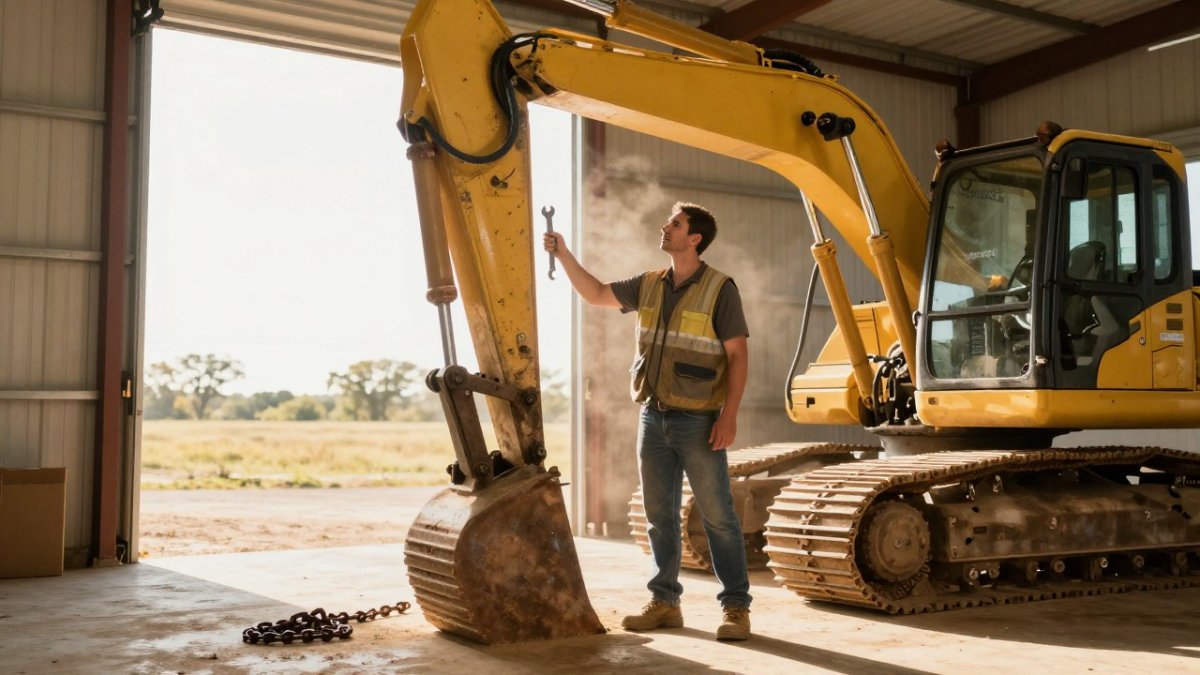
- Maintenance discipline: When was the machine last serviced, and can they show it?
- Delivery track record: What window do they commit to in writing?
- Breakdown response: How fast do they swap a dead machine?
- Pricing transparency: What fees appear only after you sign?
A common mistake is judging a rental fleet by how new it looks. A well-maintained older machine can outperform a neglected newer one.
Heavy Equipment Rental Prices: What Drives the Total Cost
Heavy equipment rental prices depend on machine class, rental duration, delivery distance, and attachment needs, not just the daily rate on the quote. The headline number is rarely the total, and comparing two quotes by the daily rate alone is the fastest way to overpay.
Market data shows rates climbing. EquipmentWatch reported Q3 2026 daily dozer rates up 14.5% to $1,243, weekly rates at $3,443, and monthly rates at $9,444, per Equipment World's Q3 2026 rental rates report. Those figures cover dozers specifically, but the pattern holds across classes: longer terms cut the per-day cost sharply.
How to Build a Total-Cost Comparison
A useful comparison puts every charge on the same line items for each provider. The following five-line structure can help expose the difference between quotes that look similar on the surface:
- Base rental charge at your actual duration, daily, weekly, or monthly rate applied to your real schedule, including weekends the machine sits idle.
- Delivery and pickup, both directions, and whether the fee is flat-rate or distance-based.
- Damage waiver or protection plan, the per-rental percentage or flat fee, and what it actually covers.
- Fuel and cleaning, the full-to-full policy, refueling charges, and the standard cleaning expectation.
- Taxes and environmental fees, any line that appears on the invoice but not the quote.
Add the five lines for each provider and compare totals, not rates. A quote with a lower daily rate but a mandatory damage waiver and a distance-based delivery fee on both ends can land above a higher-rate quote with those items bundled.
Delivery, Damage, and Extension Charges to Ask About Upfront
Three charge categories cause most billing disputes: delivery and pickup fees, damage waivers, and extension rates. Ask about all three in writing.
- Delivery and pickup: Is it flat-rate or distance-based? Both directions or one?
- Damage waiver: Is it optional? What does it actually cover?
- Extension rate: Does the daily rate hold, or jump after the original term?
For a deeper breakdown of the fees that catch renters off guard, read our guide to avoiding hidden equipment rental fees.
| Charge Type | Ask This | Red Flag |
|---|---|---|
| Delivery/pickup | Flat or distance-based? | Fee appears only on final invoice |
| Damage waiver | Optional? What's covered? | Mandatory with vague coverage |
| Extension | Does daily rate hold? | Rate jumps after original term |
| Fuel | Full-to-full policy? | No stated fuel policy |
| Cleaning | Standard or excessive? | Vague "cleaning fee" language |
Watch out: a damage waiver quoted as a percentage of the rental charge scales with the rental length, so ask whether a flat-fee option is available.
Deposits, Credit Terms, and What Changes the Number
Deposits and credit terms move the total as much as the rate. Ask whether the deposit is refundable, how long the refund takes, and whether a credit application shortens it. Ask whether credit terms or deposit reductions are available for established accounts, especially on multi-machine projects.
Two other drivers are easy to miss. First, attachment and bucket changes are frequently priced separately from the base machine, so confirm whether the quoted rate includes the attachment you need. Second, standby time, days the machine sits on your site but is not working, is usually billed at the full rate unless the contract says otherwise.
Average dozer rental rates by term, Q3 2026
How to Read Heavy Equipment Rental Reviews Without Getting Fooled
Heavy equipment rental reviews are most useful when you filter for specificity. A five-star review that says "great service" tells you nothing. A three-star review that names a delivery delay and a billing dispute tells you everything.
Read for patterns, not averages. One complaint about a late delivery is noise. Six complaints about the same location's delivery windows is a signal.
Review recency often matters more than review volume when judging a provider.
Matching the Machine to the Job: Earthmoving, Lifting, and Material Handling
Equipment selection starts with the task, not the brand. Earthmoving equipment handles excavation and grading, lifting equipment handles elevation, and material handling moves loads across a site. Get the category wrong and no amount of operator skill fixes it.
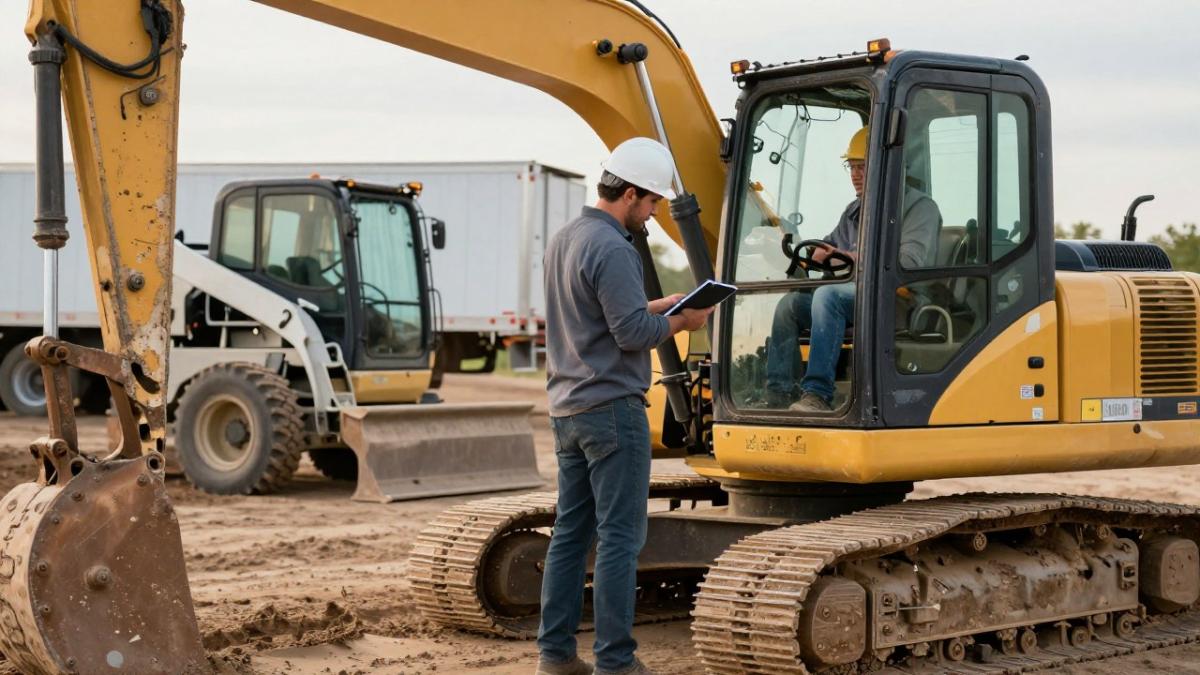
Match the machine to the constraint:
- Tight access, small footprint: mini excavator or skid steer
- Vertical reach: boom lift or aerial platform
- Load movement at height or across rough ground: telehandler or forklift
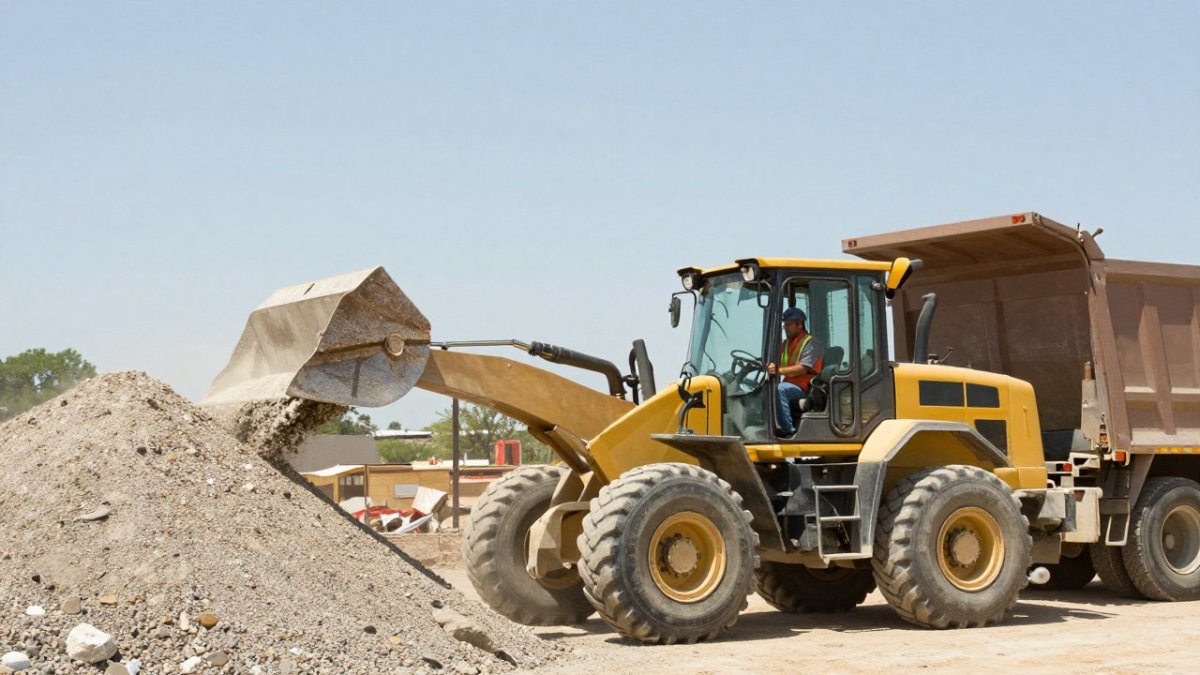
- Bulk excavation: full-size excavator or dozer
Mini Excavator Rental for Tight Sites and Small Crews
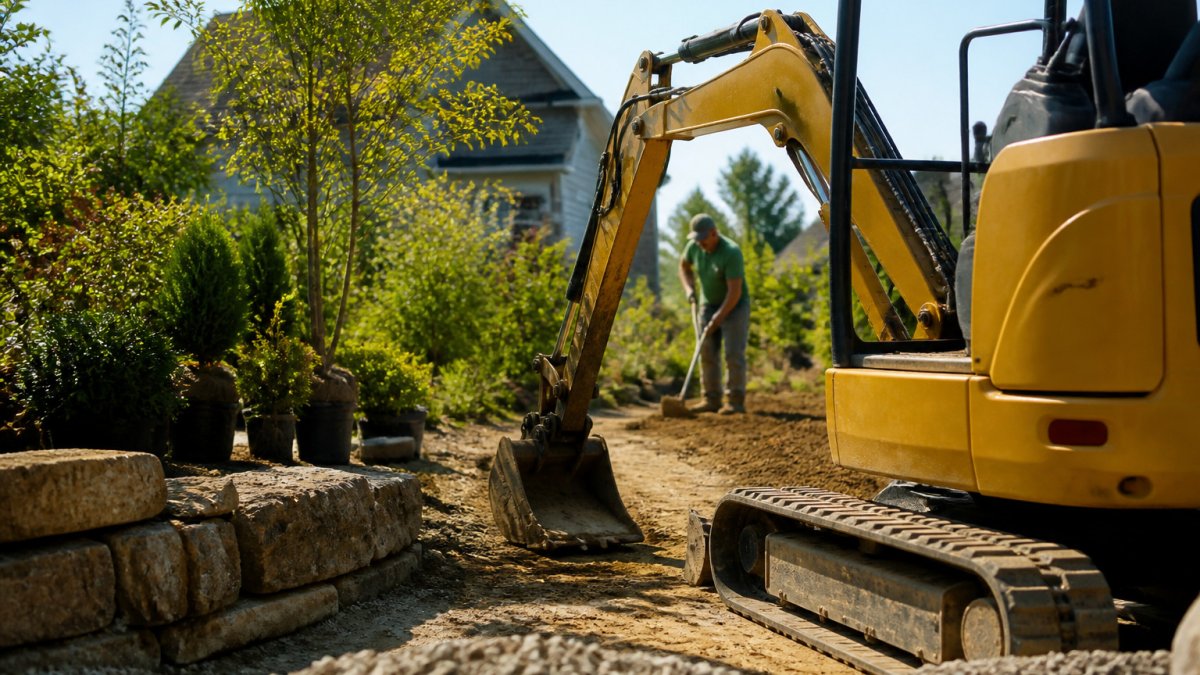
Mini excavator rental fits jobs where a full-size machine cannot turn around: residential landscaping, utility trenching, and tight site prep. Mini excavators are smaller machines that can fit into tighter spaces than full-size excavators.
For homeowners and small crews booking their first unit, our beginner's guide to mini excavator rental walks through sizing and operation basics.
Finding Heavy Equipment Rental Near Me: Service Area and Availability Checks
Searching "heavy equipment rental near me" works only if you confirm two things: the provider delivers to your actual jobsite, and the machine you need is in stock on your date. A nearby yard with no inventory is useless.
Confirm the service area boundary first, since delivery coverage may not extend to every site near the provider's location. Then ask about unit availability for your specific dates, not general fleet size.
To compare how delivery terms differ between providers, see our heavy machinery delivery service options.
Rental Contracts, Insurance, and Breakdown Contingency Planning
A rental contract should answer one question: who pays when something goes wrong? Read the indemnification, damage, and breakdown clauses before signing, and confirm what insurance is required.
The Contract Clauses That Move Risk and Cost
Most rental agreements are standard-form, but a handful of clauses carry most of the financial risk. Review these before signing:
- Damage waiver vs. insurance: A damage waiver is not insurance. Confirm with the provider exactly what its waiver covers and excludes before paying for it. Your own general liability or inland marine policy may cover the same ground, confirm with your insurer before paying for both.
- Transport responsibility: Confirm who loads, secures, and hauls the machine, and who is liable for damage in transit.
- Operating restrictions: Ask what use restrictions apply, such as limits to the named jobsite or operator training requirements.
- Indemnification and limitation of liability: These clauses decide who pays for third-party injury or property damage. Read them together with your own coverage, not in isolation.
- Return condition: Ask what counts as normal wear versus damage, and who inspects the machine at return. Get the inspection criteria in writing.
Building a Breakdown Contingency Plan
Build a contingency plan before the machine arrives. Ask three questions: What is the breakdown response window? Will they swap the unit or repair on site? Who covers lost production time?
A workable plan has four parts:
- Response window, the committed time from your call to a technician or replacement unit arriving, stated in hours, not "promptly."
- Repair vs. replace, the threshold at which the provider swaps the unit instead of repairing it, and who decides.
- After-hours and weekend support, a phone number that reaches a person, and whether after-hours dispatch carries a premium.
- Schedule protection, whether rental charges pause while a machine is down through no fault of yours, and how that is documented.
Watch out: a replacement promise "subject to availability" may offer limited protection during busy periods, so ask for any replacement commitment in writing.
For a full walkthrough of contracts and logistics, use our step-by-step heavy equipment rental guide.
Watch out: skipping the damage waiver to save on the quote can leave you responsible for repair costs, so weigh that risk before declining it.
Reserve Your Machine Through Diamond E Rental
Matching machine to job, pricing to budget, and delivery to timeline is the whole game. Get one wrong and the project stalls.
Diamond E Rental serves contractors, landscapers, agricultural operators, and homeowners across the Brazos Valley from our location at Knuckleheads Hardware. We offer mini excavators, bulldozers, and skid steers from trusted brands, with delivery available on all equipment based on distance.
Get started with Diamond E Rental today. Pricing depends on quantity, dates, and delivery, so visit our website for current prices or a quote.
Frequently Asked Questions
What should I compare when choosing heavy equipment rental services?
Compare four things: the written total cost including delivery and damage terms, the maintenance records for the specific unit, the delivery window promised for your jobsite, and how the provider handles a breakdown mid-rental. Ask whether rates are daily, weekly, or monthly, and confirm how extensions are billed. A provider that answers all four in writing before you sign is easier to hold to the terms later. There are plenty of providers to compare.
How much does it cost to rent heavy equipment?
Heavy equipment rental prices depend on machine class, rental duration, delivery distance, and attachments. As a market reference, EquipmentWatch reported average dozer rates in Q3 2026 of $1,243 per day, $3,443 per week, and $9,444 per month, per Equipment World. Smaller machines such as mini excavators rent for less, but the exact figure depends on the unit and term. Ask for a written quote that separates base rate, delivery, and any damage or cleaning fees so the total is clear before pickup.
How can I check whether rental equipment is reliable and well maintained?
Ask three questions before booking: when the unit was last serviced, whether it comes with a current inspection record, and what the provider's process is if it fails on site. A well-run fleet is regularly serviced and tracked by unit, not just by model. On delivery, do a walkaround with the driver, photograph existing damage, and confirm fluid levels and controls before signing. If a provider cannot tell you the service history of the specific machine, that is a signal to look elsewhere.
Do heavy equipment rental companies offer delivery, and can I extend a rental?
Delivery is available on all equipment based on distance, and extensions depend on unit availability. Confirm the extension rate in writing before the original term ends so you are not surprised by a higher daily rate. Delivery timing matters on tight schedules, so ask for a window rather than a promise, and confirm who unloads the machine on site. For a mini excavator rental or a larger earthmover, booking delivery and pickup in the same call saves coordination later.