 How-to
How to Rent Heavy Equipment: A Step-by-Step Guide
Last Updated: October 26, 2026
Quick Summary
To rent heavy equipment, define your project and match the machine type to the site, confirm availability and reserve your dates, then get a written quote that itemizes base rate, delivery, fuel, deposit, tax and surcharges before signing. Inspect and photograph the machine at delivery, confirm operator training requirements, and return it at the agreed fuel level to avoid extra fees.
- The U.S. heavy equipment rental industry reached $57.2 billion in 2026 across 17,153 businesses.
- Reserve with your rental dates, delivery address and machine type ready, and confirm the unit is on the lot.
- Never book daily for a job running more than three days without pricing the weekly tier.
- Call 811 before any digging; it is free and required in most states.
- Most rental agreements place operator competency on the renter, so confirm training responsibility in writing.
Table of Contents
- Step 1: Define Your Project and Match the Machine Type
- Step 2: Confirm Availability and Reserve Your Rental Dates
- Step 3: Understand Heavy Equipment Rental Rates Before You Sign
- Step 4: Read the Heavy Equipment Rental Fees and Contract Terms
- Step 5: Arrange Heavy Equipment Rental Delivery and Site Readiness
- Step 6: Inspect the Machine and Document Its Condition
- Step 7: Operate Safely and Know the Licensing Rules
- Order Your Equipment Online from Diamond E Rental
- Frequently Asked Questions
Step 1: Define Your Project and Match the Machine Type
According to IBISWorld's Heavy Equipment Rental in the US Industry Analysis, the U.S. heavy equipment rental industry reached $57.2 billion in 2026 across 17,153 businesses. That scale matters to you for one reason: the machine you need almost certainly exists nearby, and the real work is matching it to your job. Learning how to rent heavy equipment starts with a simple decision: what does the ground, the load, and the access actually require?
Here's where most first-timers go wrong. They rent the biggest machine they can afford instead of the one that fits the site. A mini excavator digs a residential foundation trench faster than a full-size excavator that can't fit through the gate. If you're new to these machines, the beginner's guide to mini excavator rental walks you through what to know before booking.
Matching Excavators, Skid Steers, and Lifts to the Job
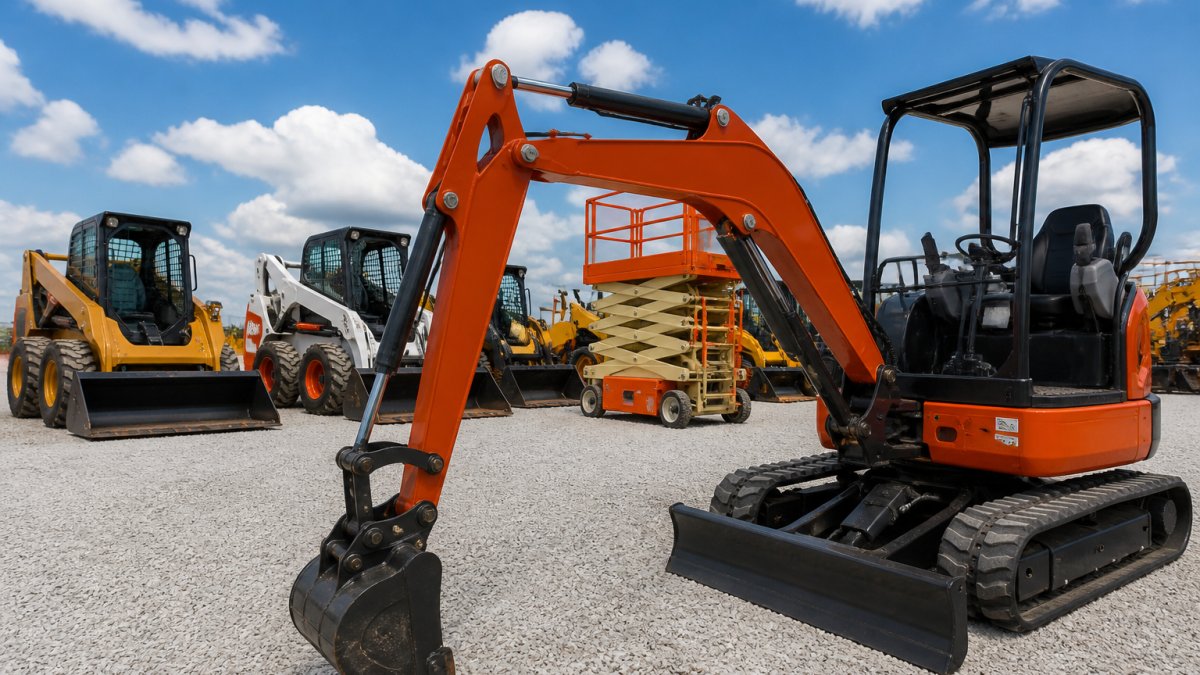
- Mini excavators: trenching, foundation prep, and tight-access digging in residential yards
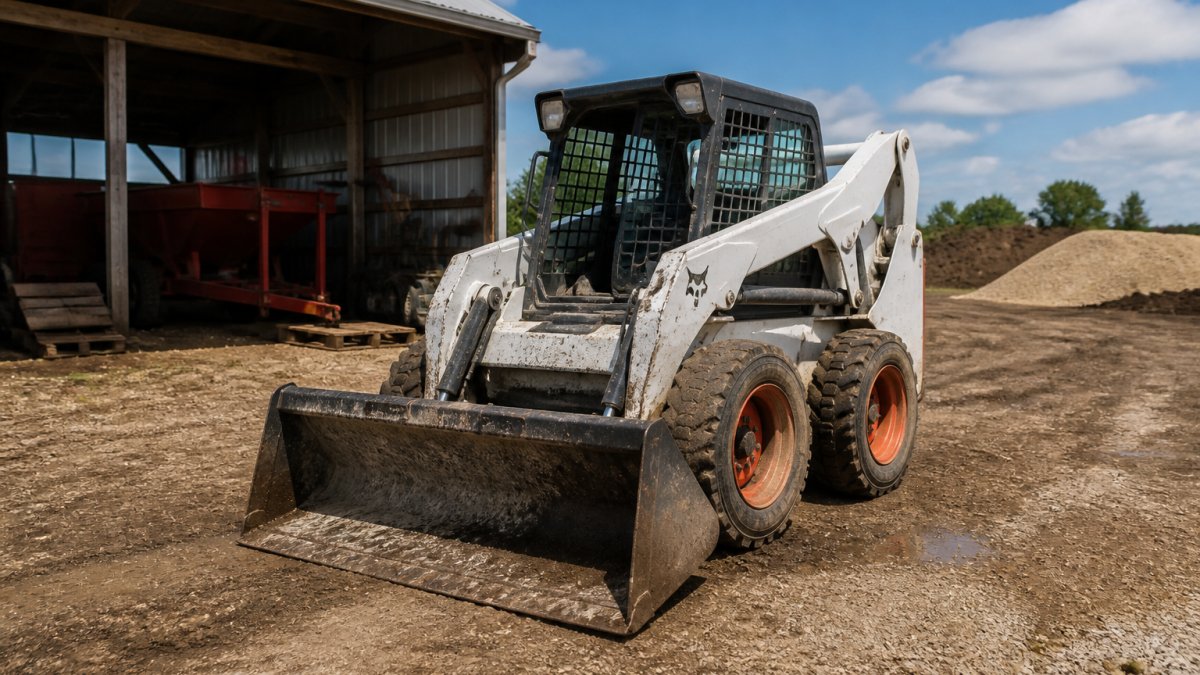
- Skid steers: grading, hauling material, and clearing debris in confined spaces
- Scissor lifts: stable elevated work indoors and on flat slabs
If you're weighing a mini excavator for a one-time landscaping project, you can also browse the skid steer fleet or scissor lift options to see what fits your site.
Step 2: Confirm Availability and Reserve Your Rental Dates
Availability is the step that sinks tight timelines. In a market forecast to hit $83.5 billion in rental revenue in 2026, up 3.4% year over year according to Construction Equipment's 2026 forecast, popular machines book out fast during peak construction season.
Reserve with three details ready: your rental dates, the delivery address, and the machine type. Confirm the unit is on the lot, not just "available in the system." Ask whether your reservation holds the specific machine or just a category.
Step 3: Understand Heavy Equipment Rental Rates Before You Sign
Heavy equipment rental rates follow a predictable structure: daily, weekly, and monthly tiers, with the weekly rate typically costing less than five daily rates and the monthly rate usually priced below four weekly rates. The longer the rental period, the lower the effective daily cost, but the sticker rate is only one line of the final bill. For a detailed skid steer rental cost breakdown by day, week, and month, see the full guide. The number that matters is your total rental cost, and that number is built from six components.
The Six Components of a Total Rental Cost
- Base rate, the daily, weekly, or monthly charge for the machine itself. This is the number quoted on the website or over the phone.
- Delivery and pickup, usually priced by round-trip distance from the branch to your site. A short local haul may be a flat fee; longer hauls are quoted per mile. Confirm whether the quote covers both directions or just the drop-off.
- Fuel, most rentals ship full and must return full. If you return it low, you pay a refueling charge plus a service fee, which is almost always higher than filling the tank yourself at a station.
- Deposit or hold, a refundable amount authorized on your card at pickup. It is not a charge unless damage or missing fuel/attachments trigger a deduction.
- Taxes and surcharges, sales tax applies in most states, and some providers add environmental or damage-waiver surcharges. Ask for the all-in rate, not the pre-tax rate.
- Damage, cleaning, and late fees, the variable charges that turn a $400 weekend into a $700 weekend if you skip the walkaround and the return checklist.
A Worked Example of How Duration Changes the Math
Suppose a compact excavator is quoted at a daily rate, a weekly rate, and a monthly rate. If your project runs five days, the weekly rate is almost always cheaper than five daily rates, so book the week even if you finish in four days. If your project runs three weeks, price the monthly rate against three weekly rates before you commit; the monthly tier frequently wins.
What Drives Excavator Rental Cost Per Hour
Excavator rental cost per hour isn't a fixed number. It depends on machine size, attachments (a breaker or thumb adds cost), delivery distance, and rental duration. A compact unit on a weekly rate spreads its cost across more hours than a daily rental, which is why the per-hour figure falls as the rental lengthens. If you need the machine for a single short task, the daily rate plus delivery may still be the cheapest path, run both scenarios before you decide.
We don't quote prices in articles because they shift with demand and dates. Call Diamond E Rental or check the website for current rates and a written quote.
Step 4: Read the Heavy Equipment Rental Fees and Contract Terms
Heavy equipment rental fees go well beyond the base rate. Delivery, fuel, cleaning, and damage charges can add up fast if you don't read the contract.
| Fee Type | What It Covers | How to Control It |
|---|---|---|
| Delivery/pickup | Transport to and from site | Confirm distance-based charge upfront |
| Fuel | Refilling the tank | Return at the agreed fuel level |
| Cleaning | Washing off mud and debris | Knock off heavy dirt before return |
| Damage | Repairs beyond normal wear | Document condition at pickup |
| Late return | Extra days beyond contract | Confirm the extension rate in writing |
Watch out: a verbal "we'll figure out the delivery cost later" is how hidden fees start. For a closer look at which charges are hidden or negotiable, see the guide to avoiding hidden equipment rental fees.
Step 5: Arrange Heavy Equipment Rental Delivery and Site Readiness
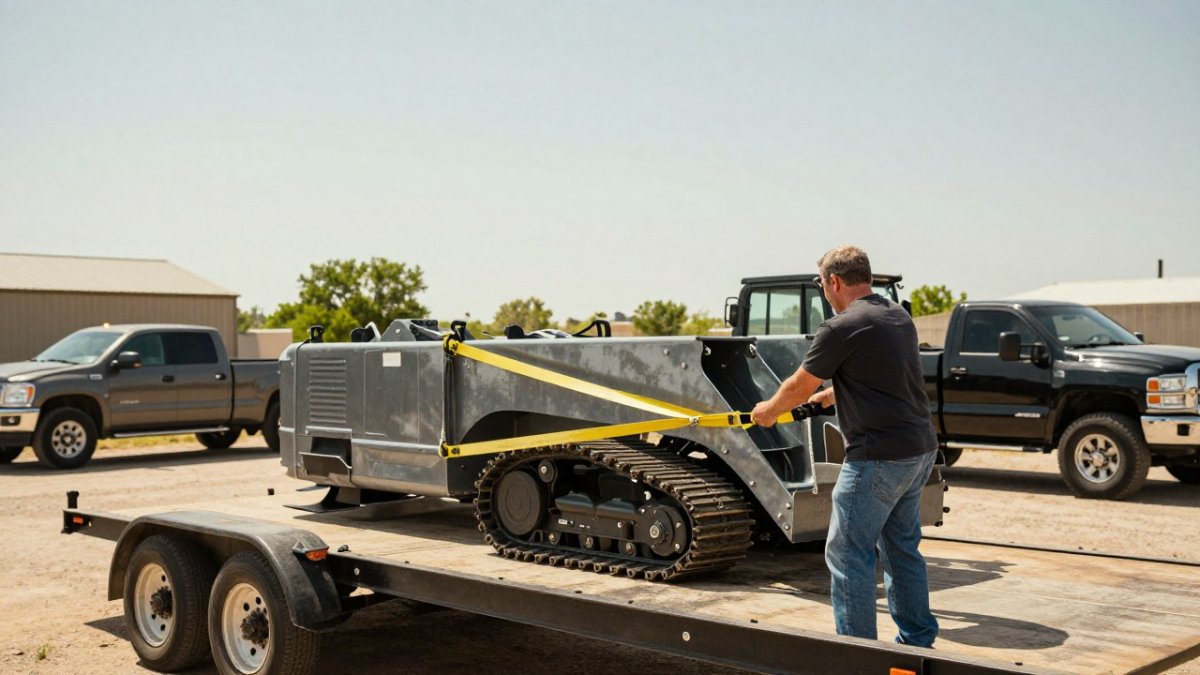
Heavy equipment rental delivery depends on distance, and site readiness decides whether the truck can actually drop the machine. Clear a level staging area, confirm gate widths, and check for overhead lines.
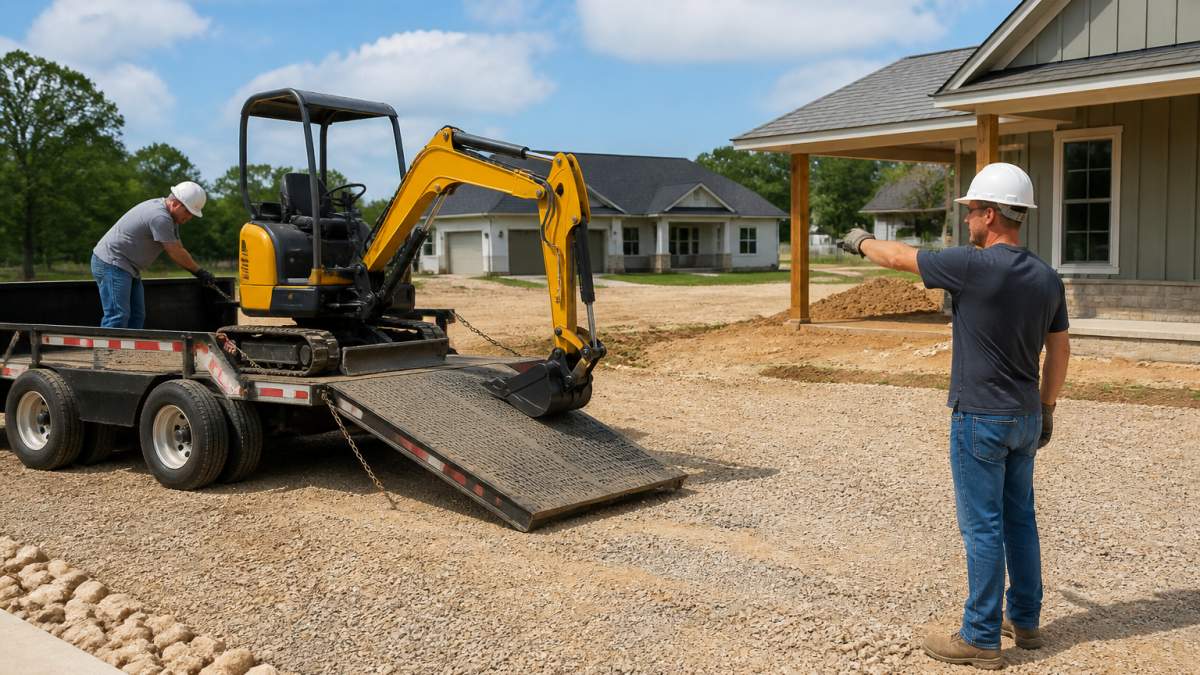
Diamond E Rental offers delivery on all equipment, priced by distance. Confirm the drop-off window and who will meet the driver. If your site has soft ground or a steep grade, say so when you book.
Step 6: Inspect the Machine and Document Its Condition
Inspection protects your wallet. Walk the machine with the delivery driver before it comes off the truck. Photograph existing damage, note the fuel level, and check the hour meter against the contract.
The Demand Chain case study on a commercial equipment rental company shows how tighter rental agreement processing cut costs for the provider. For you, the equivalent is a documented handoff: photos and a signed condition report mean damage charges can't stick to wear that was already there.
Step 7: Operate Safely and Know the Licensing Rules
Operator requirements depend on the machine, the job, and who is doing the work. The short version: a homeowner renting for a DIY project and a commercial crew on a permitted site face different rules, and the rental counter is not the place to find out which applies to you.
Who Is Allowed to Operate What
- Forklifts and powered industrial trucks: OSHA's standards for powered industrial trucks require trained, certified operators, and the training must be machine-specific and documented by the employer. A rental forklift does not come with a certified operator, you supply one.
- Scissor lifts and boom lifts: OSHA treats mobile elevating work platforms as equipment requiring trained operators, and many manufacturers add familiarization requirements for each model. Ask the rental team whether your crew has been trained on the specific lift you are reserving.
- Excavators, skid steers, and bulldozers: general construction-equipment operation falls under OSHA's construction standards, which require the employer to ensure operators are competent and that the equipment is inspected before use. On a commercial site, the general contractor may also impose its own operator-card or orientation requirements.
Site Safety Prep Before the Machine Arrives
Safety starts before the truck shows up. Walk the site and confirm:
- Overhead hazards, power lines, tree limbs, and structure edges within the machine's reach or transport path.
- Ground conditions, soft soil, slopes, and buried utilities. Call 811 before any digging; it is free and required in most states.
- Access and egress, gate widths, turning radius for the delivery truck, and a level unloading spot.
The Pre-Operation Walkaround
Before you turn the key, do a five-minute walkaround with the operator: check fluid levels, inspect tracks or tires, test the horn and backup alarm, confirm the parking brake, and locate the emergency shutoff. Note anything that looks worn or damaged on the condition report you started in Step 6. A machine that fails the walkaround should not be operated, call the rental team before you use it, not after.
Match the Machine to the Operator
A skid steer and a boom lift demand different skills, and a mini excavator demands different skills again. Match the machine to the operator, not the other way around. If your crew has never run a particular model, budget time for a familiarization session on the lot or at the site before the clock starts on your rental period. If you're a homeowner renting for a DIY project, ask the rental team for a walkthrough on controls and safety shutoffs, most will provide one, and it is the cheapest insurance you will buy all week.
Order Your Equipment Online from Diamond E Rental
The gap between a smooth rental and a costly one comes down to preparation: the right machine, a written quote, a documented inspection, and a site ready for delivery.
We work with professional contractors and DIY homeowners alike. Browse mini excavators, bulldozers, and skid steers, get a quote with delivery included, and reserve your dates before peak season fills the fleet.
Frequently Asked Questions
Do you need an operator license to rent an excavator?
No federal license is required to rent or operate an excavator on private property, but some states and municipalities require a contractor license for paid excavation work. OSHA rules under 29 CFR 1926 require that only trained, competent operators run the machine, and your rental agreement will list who is authorized to operate it. Ask Diamond E Rental what documentation they require, and check local permitting before you dig.
What information do you need to rent heavy equipment?
Most providers ask for a valid government-issued photo ID, proof of insurance or a damage waiver election, a payment method for the security deposit, and the delivery address with site contact details. Contractors may also need to show a business license or certificate of insurance. Having these ready before you call shortens the reservation process and helps confirm availability for your rental dates.
How does heavy equipment delivery and pickup work?
Delivery is typically scheduled for a window on your start date, and pickup is arranged for the end of the rental period. Fees usually depend on distance from the rental location and the size of the machine, so confirm the round-trip charge up front. Clear a level staging area wide enough for the truck, remove overhead obstructions, and have someone on site to sign the inspection form at both drop-off and pickup.
What fees should you check before renting heavy equipment?
Ask for the full breakdown: daily, weekly, and monthly rates, delivery and pickup charges, the damage waiver, the security deposit, cleaning fees, and overtime or late-return charges. Confirm what happens if you need to extend the rental and whether the weekly rate still applies. Getting the total in writing before you sign prevents the surprise charges that catch first-time renters off guard.